

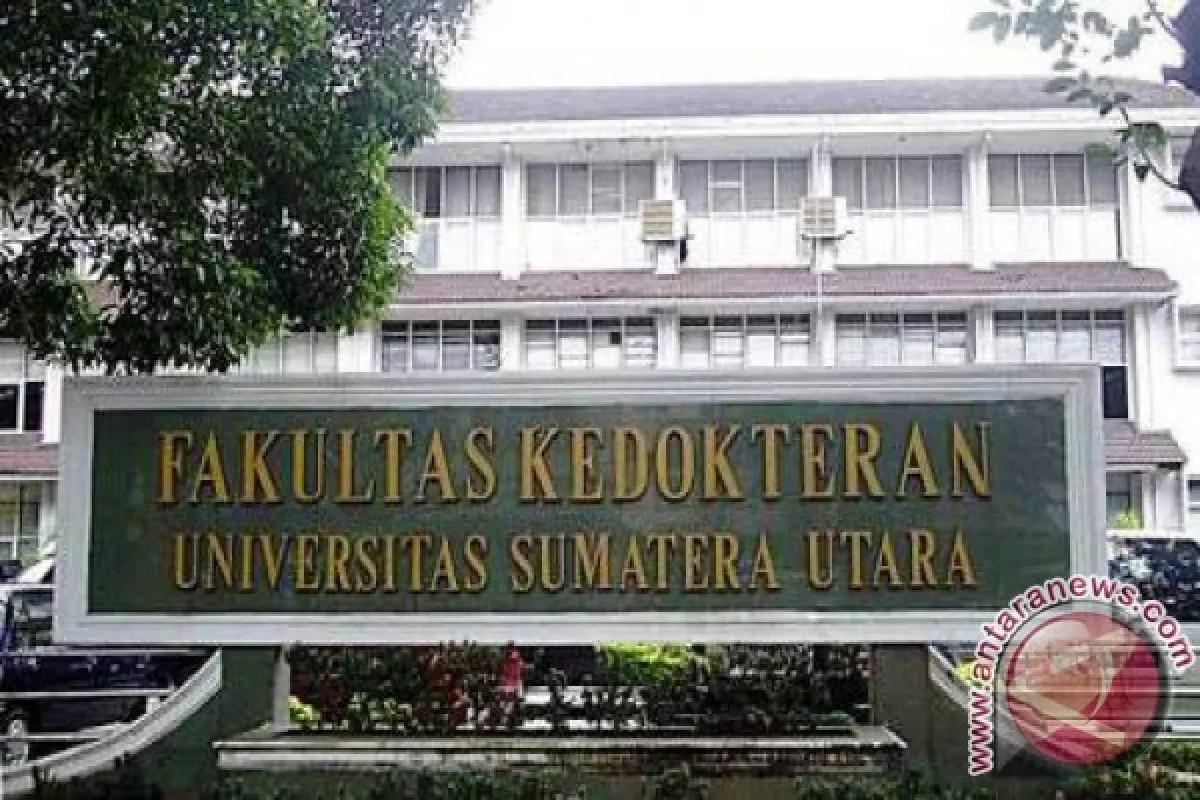
Jakarta (ANTARA) - Indonesia will expand medical faculties to tackle a severe shortage of doctors and their uneven distribution, Health Minister Budi Gunadi Sadikin said Thursday, as the government moves to triple the number of physicians nationwide.
Sadikin said the shortage is so acute that doctors are currently allowed to work at up to three health facilities.
“That alone shows how short we are.The number of doctors must be increased threefold. President Prabowo has seen the scale of the problem. We have to establish more medical faculties so more people can train," he said.
He voiced confidence Indonesia could sharply boost its doctor numbers, citing South Korea as a model.
Despite having only one-sixth to one-fifth of Indonesia’s population, South Korea has more doctors, he noted.
Sadikin said the Higher Education, Science and Technology Ministry would lead the technical work to open new medical schools under plans ordered by President Prabowo Subianto.
Indonesia must keep expanding its workforce until it reaches a ratio of one doctor per 1,000 people — the average among lower-middle-income countries — which would mean about 280,000 doctors, Sadikin said.
The global average is 1.76 doctors per 1,000 people.
President Prabowo earlier met thousands of university leaders to discuss ways to close Indonesia’s estimated shortfall of around 100,000 doctors.
State Secretariat Minister Prasetyo Hadi said on Thursday, Jan. 15, that current data show Indonesia does not have enough doctors to meet public healthcare needs effectively and efficiently.
He said the president is seeking breakthroughs to meet national health workforce targets, including greater involvement by higher education institutions.
The acceleration plan includes raising the number of graduates and improving education quality, from lecturer capacity to supporting facilities, Hadi said.


